Ferguson: The Handwritten Font That Elevates Brand Identity
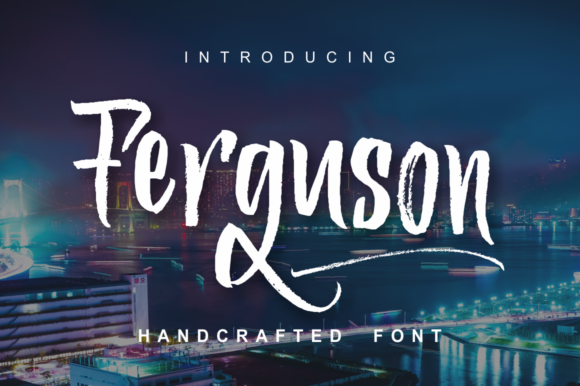
I still remember the exact moment I realized my bakery’s packaging wasn’t doing my pastries justice. The croissants were flaky, golden, and perfect, but the sticker on the box looked generic. It was a standard, stiff typeface that screamed "mass-produced" rather than "handcrafted with love." I needed something that felt personal, warm, and unmistakably human. That is when I discovered Ferguson, a modern and incredibly unique handwritten font from Script Amp that has since become a cornerstone of my design toolkit.
For small business owners, entrepreneurs, and creative consultants, typography is often the silent ambassador of your brand. It speaks before you do. If you are looking to refresh your visual identity, whether for a café menu, a boutique clothing tag, or an online shop banner, Ferguson offers a blend of professionalism and approachability that is hard to find in the crowded world of digital fonts.
Why Personality Matters in Modern Typography
In today’s saturated market, customers are not just buying a product; they are buying into a story. A premium font like Ferguson helps tell that story instantly. Unlike rigid geometric sans serif fonts or overly ornate serif fonts that can feel distant or old-fashioned, Ferguson strikes a delicate balance. It is a script font with the soul of a handwritten font, yet it maintains the clarity required for modern commercial use.
The visual character of Ferguson is relaxed but confident. It does not try too hard to be quirky, nor does it settle for boring neutrality. This makes it an incredibly versatile asset for any fonts library. When I first tested it on a set of thank-you cards for my e-commerce orders, the difference was immediate. The letters flow naturally, mimicking the rhythm of actual handwriting, which creates an emotional connection with the recipient. It feels like a note from a friend, not an invoice from a corporation.
This emotional resonance is crucial for brand perception. Whether you are running a skincare line, a candle business, or a coaching service, using a creative font that feels authentic helps build trust. Customers perceive handwritten styles as more transparent and caring, which can significantly enhance customer engagement and loyalty.
Real-World Applications for Small Businesses
The true test of any display font is its versatility across different mediums. I have experimented with Ferguson across various touchpoints, and its adaptability is impressive. Here is how it performs in real-life scenarios:
- Packaging Design: For my bakery boxes, I used Ferguson for the main logo and product names. Its organic curves complement the rustic aesthetic of kraft paper packaging beautifully. It stands out without overwhelming the minimal design.
- Social Media Graphics: In Instagram stories and posts, readability is key. Ferguson works wonderfully for headlines and short phrases. It catches the eye in a scrolling feed, making it ideal for promotional announcements or quote graphics.
- Product Labels: I applied it to small batch jam jars. While it is a decorative typeface, it remains legible at moderate sizes. However, for ingredient lists or fine print, I always pair it with a clean sans serif font to ensure clarity on small labels.
- Website Banners: On my homepage hero section, Ferguson adds a layer of sophistication. It breaks the monotony of standard web typography, drawing attention to the value proposition immediately.
- Business Cards and Tags: For boutique clothing tags, the font adds a touch of luxury. It suggests that the item inside is special and curated, elevating the perceived value of the product.
The key to using Ferguson effectively is understanding its strengths. It shines as a headline font, a logo element, or for decorative accents. It is not designed for long paragraphs of body text. By reserving it for high-impact areas, you maintain its uniqueness and prevent visual fatigue.
Creating a Cohesive Brand Identity with Font Pairing
One of the most common mistakes I see small business owners make is using too many competing fonts. To create a polished and consistent look, you need strategic font pairing. Ferguson pairs exceptionally well with simple, neutral typefaces.
For a modern, clean look, try pairing Ferguson with a geometric sans serif font. This contrast highlights the warmth of the handwritten style while keeping the overall design grounded and professional. If you are aiming for a more romantic or vintage vibe, such as for a wedding invitation suite or a floral boutique, pairing it with a delicate serif font can create a harmonious and elegant editorial design.
Remember, the goal is balance. Let Ferguson be the star of the show for your primary messaging, and let the supporting typography handle the informational heavy lifting. This hierarchy guides the viewer’s eye and ensures your message is communicated clearly and effectively.
Practical Advice for Implementation and Licensing
Before you download and start designing, there are a few technical considerations to keep in mind to ensure your brand identity remains professional across all platforms.
First, always check the included file formats. Most premium fonts from reputable sources like Script Amp come in OTF and TTF formats, which are compatible with major design software and operating systems. Ensure you have the right files for both print and web use.
Second, review the commercial font licensing terms. If you are using Ferguson for client work, merchandise, or digital products, you must have the appropriate license. Never assume a personal use license covers commercial projects. Protecting your business from legal issues is just as important as the design itself.
Third, consider readability on mobile screens. With more customers shopping on phones, test your designs on smaller devices. Ferguson is generally clear, but avoid using it at very small sizes where the intricate details of the handwritten strokes might blur together. For mobile thumbnails or tiny stickers, simplify your layout and increase spacing if necessary.
Finally, explore any alternates or ligatures included in the font family. Many modern handwritten fonts offer multiple versions of certain letters to avoid repetition and create a more natural, less mechanical look. Using these features can make your logo or headline appear truly custom-made.
In conclusion, Ferguson is more than just a set of characters; it is a tool for connection. It helps small businesses bridge the gap between digital convenience and human touch. By integrating this unique handwritten font into your packaging, social media, and branding materials, you can create a memorable and trustworthy presence that resonates with your audience. Whether you are a crafter, a café owner, or an online seller, investing in the right typography is one of the most impactful decisions you can make for your brand’s future.